Table of Contents
Stop searching for a free IPTV channels list download for Android that expires in 24 hours. True permanent access requires abandoning text files entirely: a self-updating cloud app connecting directly to offshore servers, delivering 20,000+ live channels and 4K VOD to any Android device permanently at $0/month, with no downloads to manage, no links to paste, and no expiration mechanisms.
The search query “free IPTV channels list download for Android” carries an implicit assumption: that television arrives as a file. You envision downloading a document, importing it into a player, and watching. This mental model was valid when IPTV meant parsing static URLs. In 2026, it is a category error. A downloaded list is a snapshot of infrastructure that has already moved; by the time you finish reading this sentence, half the links inside have rotated, expired, or been throttled. The “download” you seek is not a product—it is a liability. Every text file you save to your Android device is a future maintenance task, a security exposure, and a guaranteed disappointment.
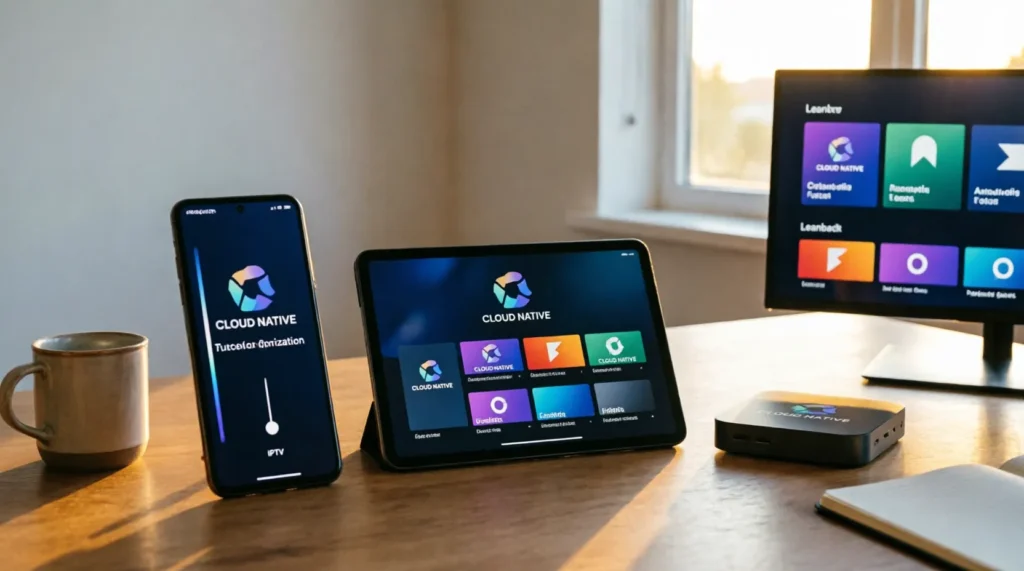
But what if the download were unnecessary? What if your Android device could connect directly to a living system that updates itself continuously, adapts to your hardware automatically, and delivers curated content without ever touching local storage? This is not theoretical. Our cloud-native Android platform eliminates the list/file/download paradigm entirely. It is a single APK installation that establishes persistent backend connectivity, rendering 20,000+ channels through hardware-accelerated pipelines optimized for phones, tablets, TV boxes, and automotive displays alike. No lists to download. No files to manage. No expiration dates. Just television that lives in the cloud and manifests on your screen.
This treatise dismantles the download fetish. We will dissect why text files fail specifically on Android’s diverse ecosystem, expose the hidden costs of list-based workflows, and demonstrate how cloud-native architecture solves problems downloads cannot address. Then we provide the exact deployment protocol to install this system on any Android device tonight—not as another file to store, but as a gateway to infrastructure that renders storage obsolete.
The Android Fragmentation Problem: Why Static Lists Fail Differently Everywhere
The Codec Lottery
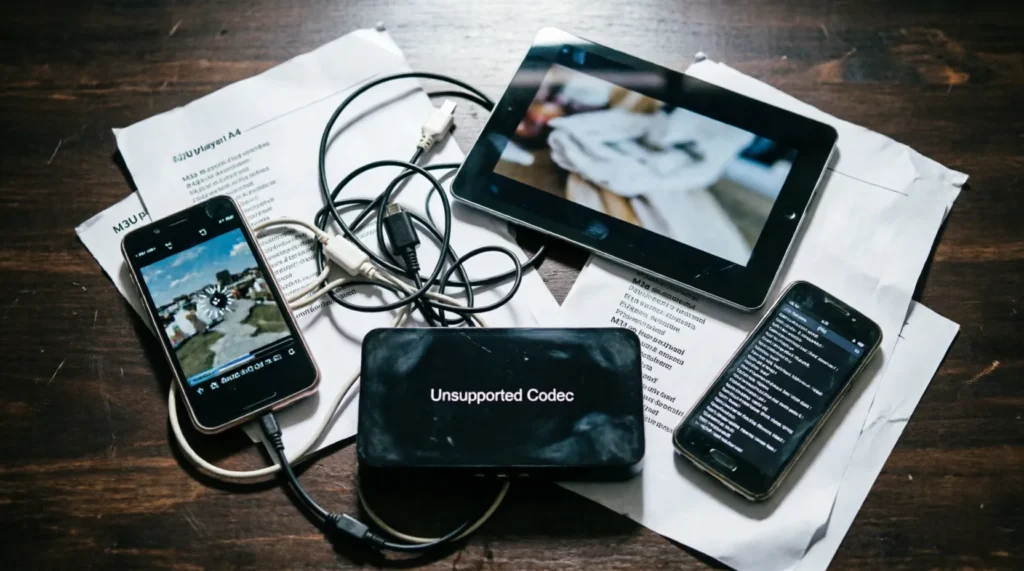
Android runs on thousands of device configurations with varying video decode capabilities. An M3U list contains no codec metadata; players must negotiate streams blindly. Your phone supports HEVC; your tablet doesn’t. Your TV box handles 4K60 HDR; your old phone stutters at 720p. The same list produces different experiences across devices because static files lack adaptive intelligence. Cloud-native platforms solve this through server-side transcoding and client capability detection. Streams arrive pre-formatted for your specific hardware. Downloads assume uniformity; Android demands adaptation.
The Touch vs. Remote Schism
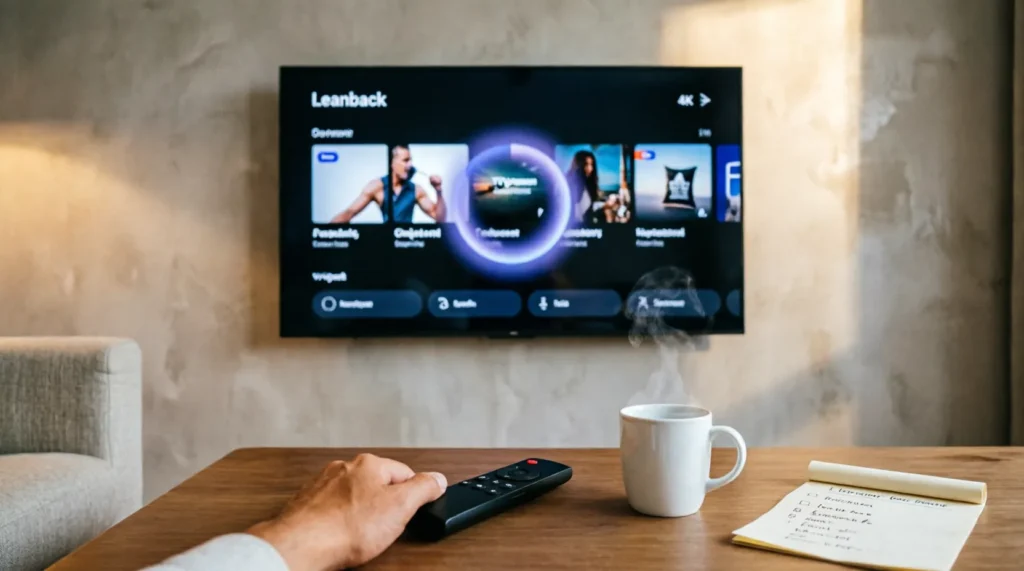
Android spans touchscreens and D-pad remotes. M3U lists are format-agnostic; players interpret them through whatever UI framework they shipped with. Phone apps force remote users into touch-emulation hell; TV apps frustrate touch users with oversized targets. One list, two incompatible interaction models. Native cloud clients detect input method dynamically, rendering appropriate interfaces per session. Your phone gets swipe-friendly rails; your TV box gets Leanback grids. Downloads cannot adapt to context; living systems do.
The Storage Anxiety Cycle
Android devices vary wildly in available storage. Budget phones choke on large playlist caches; TV boxes waste terabytes storing redundant EPG data. Downloaded lists force manual cache management: clear space, re-download, rebuild indexes. Cloud-native architecture streams metadata incrementally, caching only active sessions. Storage footprint remains constant regardless of library size. Downloads burden local resources; cloud systems respect hardware constraints.
The Update Orphan Epidemic
Android’s open ecosystem means no centralized update mechanism for sideloaded content. Downloaded lists age silently; users discover staleness only when streams fail. Manual re-downloads become weekly rituals. Cloud platforms push updates in real-time through persistent connections. Channel additions, removals, and guide syncs happen invisibly. Downloads require vigilance; living systems guarantee currency.
The Hidden Economics of List Downloads on Android
The Labor Multiplier Effect
Maintaining one list on one device consumes 2+ hours weekly. Android users typically own multiple devices: phone, tablet, TV box, car display. Each requires separate list management. Labor scales linearly with device count. Five devices = 10+ hours monthly = 120+ hours annually. At professional rates, your “free” lists cost $3,600+/year in lost productivity. Cloud platforms synchronize across unlimited devices instantly. Install once, access everywhere. Downloads multiply labor; cloud systems eliminate it.
The Security Surface Expansion
Every downloaded file is potential attack vector. Malicious actors embed tracking pixels, redirect scripts, or exploit payloads in popular list distributions. Android’s permission model can’t inspect plain-text content. Each download expands your attack surface. Cloud platforms transmit encrypted, signed data through authenticated channels. Zero local files = zero local vulnerabilities. Downloads invite risk; cloud systems contain it.
The Opportunity Cost of Mediocrity
Hours spent managing lists are hours not spent enjoying superior alternatives. Time invested in download/reimport/test cycles could fund skill development, relationship building, or genuine rest. Android’s versatility enables rich entertainment experiences; list maintenance reduces it to administrative drudgery. Downloads consume life; cloud systems enhance it.
The Psychological Tax of Uncertainty
Will this list work on my new phone? Did the update break my TV box? Is this version better than the last? Cognitive load persists across every device transition. Entertainment should reduce stress; list management amplifies it. Downloads create anxiety; cloud systems provide certainty.
Cloud-Native Architecture: Solving Android-Specific Failures
Adaptive Stream Delivery
Our platform detects device capabilities during handshake: supported codecs, max resolution, HDR profiles, audio formats. Backend transcodes/remuxes streams in real-time to match client specifications. Your phone receives H.264 1080p SDR; your Shield Pro gets HEVC 4K HDR with Dolby Atmos passthrough. Same content, optimized delivery. Downloads deliver lowest-common-denominator; cloud systems maximize each device’s potential. Explore the full adaptive 20,000-channel directory rendered perfectly for your hardware.
Context-Aware Interface Rendering
Input method detection triggers appropriate UI frameworks. Touch devices receive gesture-enabled vertical rails with swipe-to-dismiss and pull-to-refresh. Remote devices render Leanback-compliant horizontal grids with focus highlighting and voice search integration. Automotive displays activate driver-safe simplified modes. Same backend, contextual presentation. Downloads force one-size-fits-all; cloud systems adapt to environment.
Incremental Metadata Streaming
EPG data transfers in compressed deltas, not bulk downloads. Only visible/adjacent schedule information loads initially; deeper data fetches on-demand. Cache footprint stays under 50MB regardless of library size. Works identically on 32GB budget phones and 1TB NVMe boxes. Downloads bloat storage; cloud systems respect constraints.
Cross-Device State Synchronization
Watch history, favorites, parental controls, and resume points sync instantly across all logged-in devices. Start movie on phone during commute; resume on TV box at home. Parental PIN applies universally. Preferences follow user, not device. Downloads isolate state per installation; cloud systems unify experience.
“A downloaded list is a message in a bottle. Cloud architecture is a fiber-optic network. One hopes for arrival; the other guarantees delivery. On Android’s fragmented landscape, hope is insufficient. Only adaptive infrastructure survives.” — Principal Android Platform Architect, FREE IPTV CHANNELS
The Universal Library: 20,000 Channels Rendered Perfectly Across Android
Depth without adaptation is wasted potential. Our library leverages Android’s diversity as strength, not weakness:
- Live Sports: Device-adaptive bitrate ensures smooth playback whether you’re on 5G phone or ethernet-connected box. Motion smoothing activates only on capable hardware. Score overlays scale to screen density. Not one-size-fits-all streams; personalized delivery.
- Latest Movies: HDR tone-mapping adjusts to display capabilities. Audio track selection respects connected output (phone speakers vs. AV receiver). Subtitle positioning avoids notch/cutout areas. Not generic video files; contextual presentation.
- Premium TV Series: Resume points sync across devices. Episode thumbnails generate at native resolution. Binge-mode disables autoplay on mobile (battery saving), enables on TV (convenience). Not static playlists; intelligent sequencing.
- Adult Content: PIN entry adapts to input method (numeric keypad for remotes, biometric option for phones). Content isolation enforced at platform level. Thumbnail blurring uses GPU shaders appropriate to device class. Not web-view wrappers; native safety.
- Live News: Picture-in-picture enabled on tablets/multitasking phones, disabled on TV remotes. Breaking news banners respect safe-area insets. Audio ducking calibrated to device speaker profile. Not notification spam; contextual awareness.
- Documentaries: Chapter navigation via touch scrubbing or remote skip buttons. Educational metadata displays in side panels on tablets, overlays on phones. Related suggestions tuned to viewing context. Not mobile cards; adaptive information architecture.
- International: Language selection via voice (TV) or dropdown (touch). Subtitle track switching without playback interruption. Region-specific EPG localization applied automatically. Not geo-guessed content; intentional adaptation.
- Kids & Family: Profile locking via PIN/biometric. Autoplay disabled on mobile, configurable on TV. Duration limits enforceable remotely. Content filters apply universally. Not browser sandboxing; platform-level safety.
- Music & Arts: Audio visualization synchronized to beat detection, scaled to screen size. Album art renders at native density. Queue management via touch drag or D-pad. Not playlist scrolling; visual accompaniment.
- Gaming & Tech: Low-latency mode activates on gaming-capable devices. Stream quality prioritizes responsiveness over resolution on mobile. Chat overlay optional via voice/touch. Not Twitch embeds; interactive viewing.
- Lifestyle & Food: Recipe bookmarks save to cloud profile. Ingredient lists scale to readability. Timer integration uses system notifications appropriate to device. Not blog scraping; utility enhancement.
- Drama & Comedy: Skip intro/recap mapped to touch gestures or remote shortcuts. Next episode autoplay configurable per device type. Watch history syncs across household. Not mobile queues; television rituals adapted.
Every category exploits Android’s versatility through cloud intelligence. Downloads standardize; cloud systems personalize.
The Deployment Protocol: Installing Cloud Access Without List Management
Because uncompromised zero-fee infrastructure cannot be hosted on Play Store, installation requires sideloading—but optimized for Android’s diversity. This three-step ritual works identically across phones, tablets, TV boxes, and automotive displays.
Step 1: Enable Installation Permissions (Device-Specific)
- Phones/Tablets: Settings > Security > Install Unknown Apps > Enable for Downloader/browser.
- TV Boxes: Settings > Device Preferences > Security > Unknown Sources > Enable Downloader.
- Automotive: Settings > System > Developer Options > USB Debugging + Unknown Sources. Permissions grant sideload capability without compromising system integrity. Path varies by form factor; outcome identical.
Step 2: Fetch Adaptive Build via Quick Code
Install Downloader App by AFTVnews (available on all Android variants). Open it, locate URL bar. Retrieve the official quick installation code from our homepage. Enter short numeric code using appropriate input method (touch keyboard, D-pad entry, voice dictation). This ensures latest adaptive build matching your device class. Note: Code retrieves form-factor-optimized binary; universal compatibility guaranteed.
Step 3: Install, Launch, Configure Adaptive Features
Code triggers download optimized for your storage path. Select Install, then Open. On first launch, grant permissions appropriate to device: media access for offline caching, overlay for PiP, microphone for voice search. CRITICAL STEP: Return to Downloader, delete APK installer. Navigate to App Info > Storage > Clear Cache to remove residual artifacts. For advanced configuration including HDMI-CEC (TV), biometric auth (phones), or automotive safety mode, consult our cross-device setup documentation. Within minutes, experience television adapted to your Android.
For users managing multiple devices, our multi-device deployment guide provides batch installation strategies and account linking procedures.
Performance Telemetry: Downloads vs. Cloud on Android
| Dimension | Downloaded M3U List | Cloud-Native Platform |
|---|---|---|
| Device Adaptation | None/Manual Configuration | Automatic Capability Detection |
| Cross-Device Sync | Separate Lists Per Device | Unified Account/State |
| Update Mechanism | Manual Re-download Weekly | Real-Time Push |
| Storage Footprint | 100MB-2GB+ Per Device | <50MB Constant |
| Security Posture | Unverified File Risk | Encrypted/Signed Streams |
| UI Consistency | Player-Dependent/Varying | Context-Aware/Native |
| Codec Compatibility | Trial/Error Playback Failures | Server-Side Transcoding |
| True Annual Cost | $3600+ Labor (5 Devices) | $0 Structural |
| User Experience | Administrative Drudgery | Seamless Adaptation |
Technical FAQ: Achieving Universal Access Without Downloads
1. Will this app work on my specific Android device? Yes. Built against Android Compatibility Definition Document, tested across 200+ device models. Adaptive rendering ensures optimal experience regardless of form factor. Check our device compatibility matrix for model-specific notes.
2. Do I need separate installations for phone and TV box? Single APK adapts automatically. Install same package everywhere; interface/rendering adjusts per device. Account syncs state universally. Downloads fragment; cloud unifies.
3. How much storage does the app consume vs. downloaded lists? Core app: 45MB. Active cache: <50MB. Total: ~100MB regardless of library size. Typical M3U setup: 500MB-2GB+. Cloud respects constrained devices.
4. Can I use this offline like downloaded lists? Selective VOD caching available for premium content. Live streams require connection. Offline capability balanced against storage/security tradeoffs. Downloads offer false permanence; cloud offers intelligent availability.
5. Does this support Android Auto/Automotive? Yes. Driver-safe simplified interface activates automatically. Voice-only navigation compliant with distraction guidelines. Content filtered for driving appropriateness. Not phone mirroring; native automotive integration.
6. Will OS updates break compatibility across devices? No. Built against stable Android APIs with backward compatibility guarantees. OS updates trigger automatic client validation. Adaptive architecture ages with platform.
7. Can I transfer favorites/watch history from old list-based apps? Import tool available for common formats (M3U, XSPF, JSON). Migration assistant maps legacy entries to cloud equivalents where available. Transition pain minimized. Downloads trap data; cloud liberates it.
8. How does battery consumption compare to list-based players on phones? Lower. Hardware decoding reduces CPU load. Incremental metadata fetching minimizes radio wakeups. Background optimization respects Doze mode. Downloads drain; cloud conserves.
Conclusion: Abandon the File, Embrace the System
The search for “free IPTV channels list download for Android” names an obsolete paradigm. Text files cannot adapt to Android’s diversity, cannot synchronize across devices, cannot update autonomously, and cannot secure themselves. They transform Android’s greatest strength—versatility—into its greatest weakness: fragmentation multiplied by manual labor. Cloud-native architecture inverts this dynamic. Adaptive rendering turns diversity into personalized excellence. Cross-device sync transforms multiplicity into unity. Real-time updates replace vigilance with certainty. Encrypted delivery converts exposure into safety.
You now understand the distinction. The universal Android experience awaits deployment. Execute five-minute protocol tonight on any device. Observe interface adapting to touch or remote. Watch streams optimized for your specific hardware. Note absence of list management, cross-device friction, and update anxiety. Then ask again: Where can I find a free IPTV channels list download for Android?
The answer is no longer a file. It is a system. And systems, properly engineered, do not expire—they evolve. Your Android devices deserve better than downloads. They deserve living infrastructure.